Erbil:
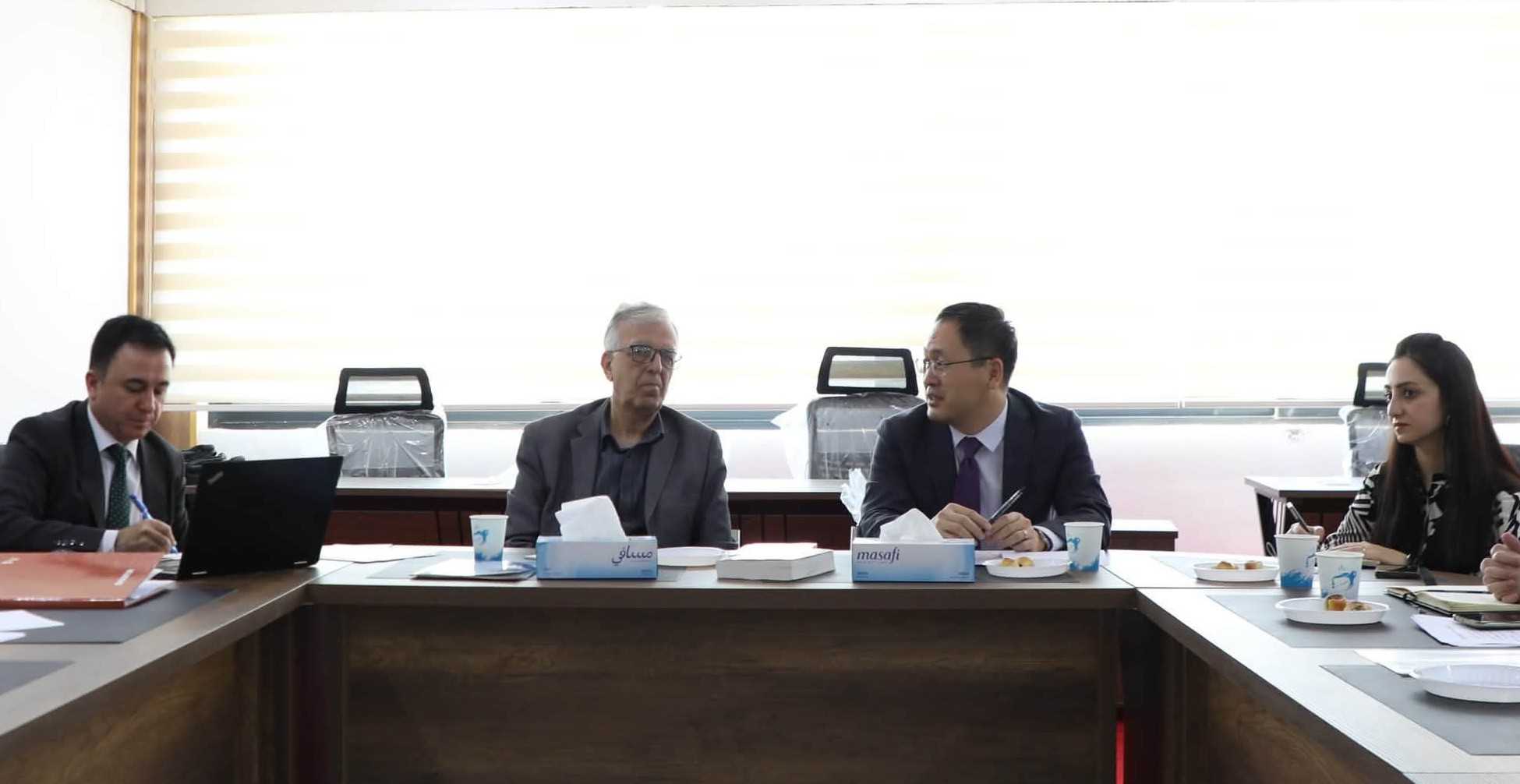
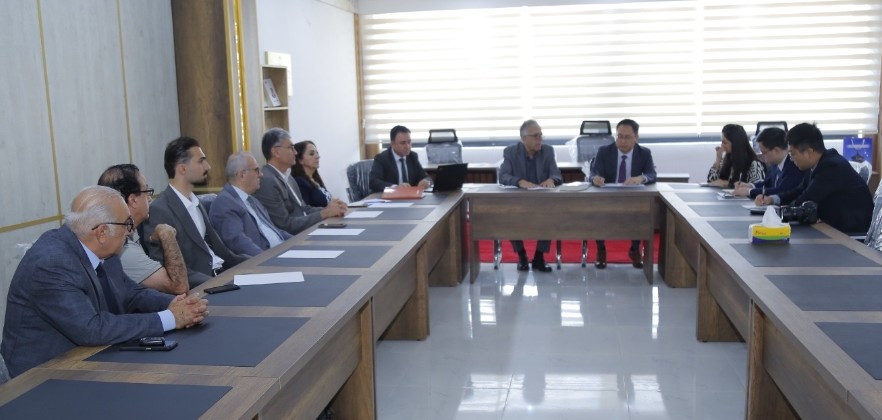
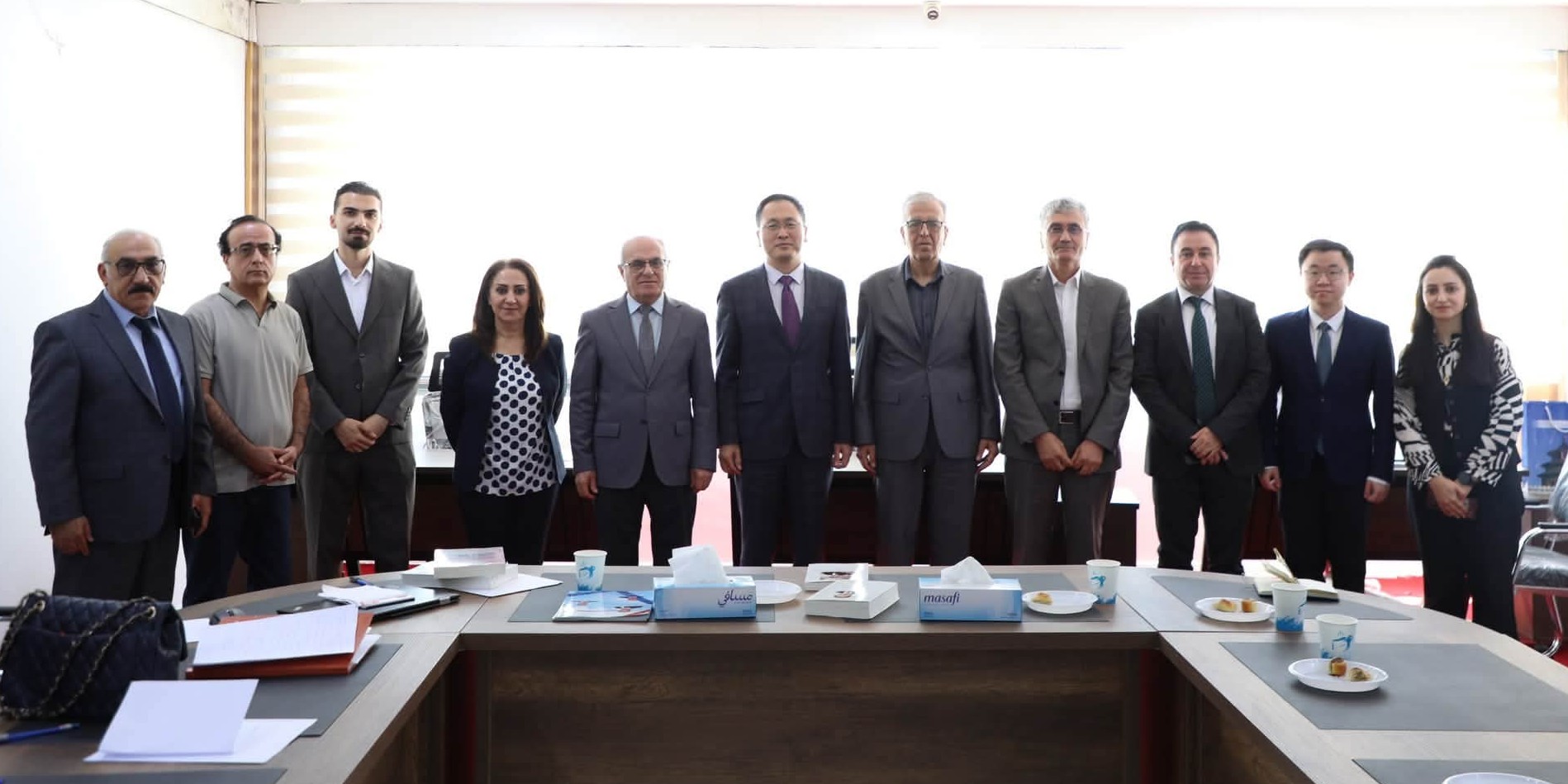
Within the framework of strengthening intellectual and cultural dialogue and promoting mutual understanding between peoples, the Global Civilization Initiative Studies Center received, at its main office, a high-level diplomatic delegation from the Consulate General of the People's Republic of China, headed by Mr. Zhang Jianxin, the Acting Consul General, and his accompanying delegation.
During the meeting, which was held in the presence of Dr. Kawa Mahmoud, Head of the Center, Nabaz Mustafa, Executive Director, and a number of researchers and staff members, an in-depth intellectual and cognitive discussion took place regarding the role of global initiatives in building bridges of understanding between different civilizations.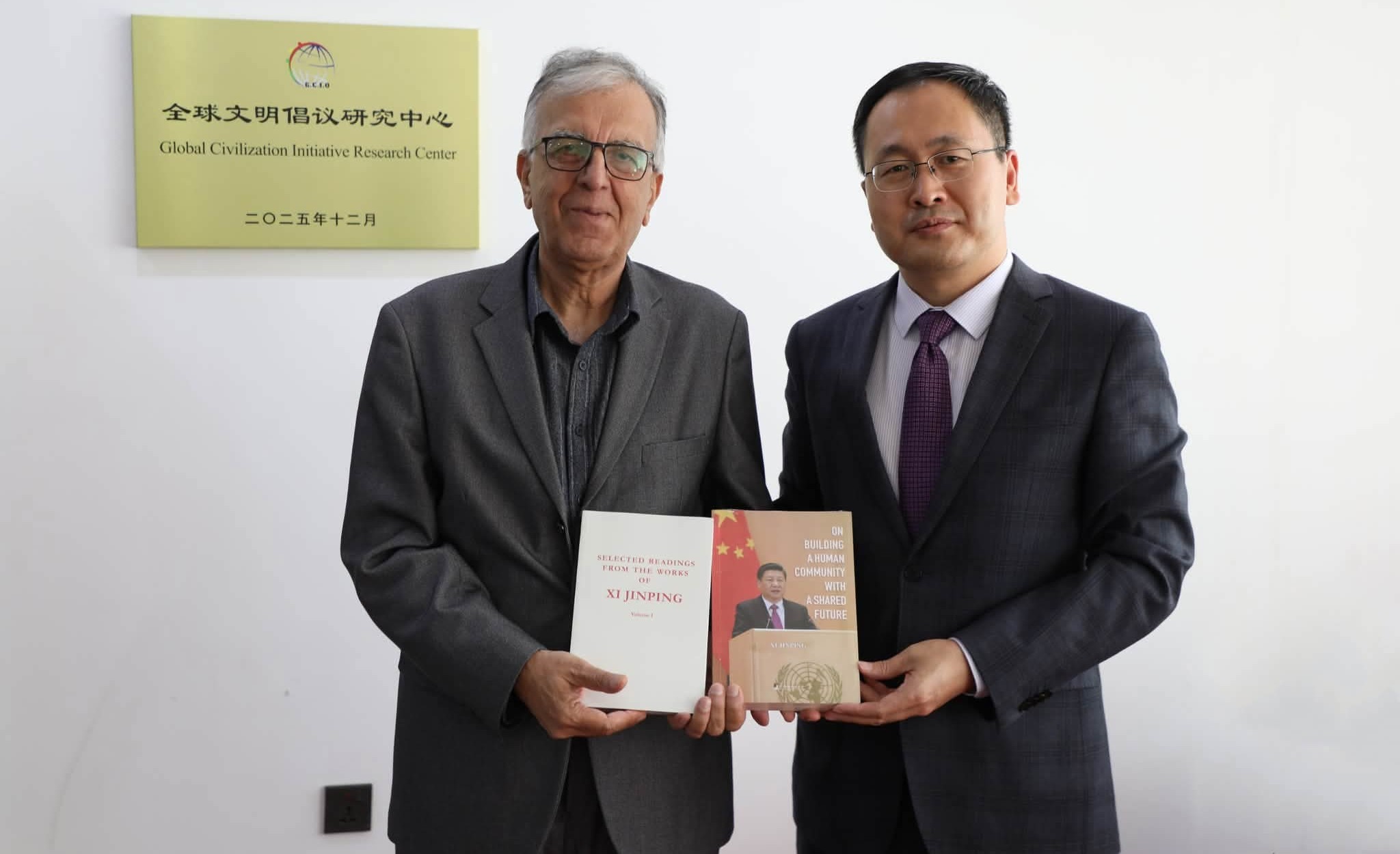
At the beginning of the meeting, Mr. Zhang دJianxin referred to the current situation in the world and the region, emphasizing that amid ongoing conflicts and crises, returning to the philosophy of "dialogue and mutual learning among civilizations" becomes an inevitable and historical necessity. He praised the center's standing as the first research center for the Global Civilization ددInitiative in the Middle East and commended its role in disseminating intellectual awareness, bridging perspectives, and creating a space for constructive dialogue. He also expressed the full readiness of his country's diplomatic mission to support the center's efforts toward the practical implementation of the Global Civilization Initiative and the deepening of academic and cultural coordination.
For his part, Dr. Kawa Mahmoud welcomed the delegation on behalf of the administrative board and the center's staff. From an intellectual perspective, he highlighted the strategic and comprehensive initiatives of President "Xi Jinping," particularly in preserving cultural diversity, respecting the specificities of peoples, and rejecting the insistence on civilizational unidimensionality. He expressed the center's readiness to expand academic partnerships with think tanks and universities in the People's Republic of China to produce shared knowledge and enrich intercultural dialogue. Additionally, Nabaz Mustafa, Director of the center, presented a brief overview of the center's future programs and roadmap.
At the conclusion of the meeting, both sides agreed to maintain mutual coordination and organize joint intellectual and research activities that serve shared human values, peace, and the coexistence of civilizations.